
By Historic Annapolis / Published April 23, 2026
Ahhh, Spring. We know it is upon us when the daffodils nod their dainty heads and the forsythia erupts overnight into a vibrant cascade of yellow. The flash of color that these early blooming plants provide reassure us that more blooms will follow shortly. As a gardener, you can up your early color game with a little careful planning and by choosing the right plants.
We have what you need at the William Paca Garden Plant Sale, held annually on Mother’s Day weekend. In 2026, that’s Saturday, May 9 from 10 am to 4 pm and Sunday, May 10 from 12:00 pm to 4 pm. And don’t forget: Historic Annapolis members get early access at 9:30 am on Saturday, plus a 10% discount on plants all weekend! Stop by and find annuals, perennials, herbs and veggies, as well as trees, vines, and shrubs.
Thinking about early color, whether you have a large garden, smaller beds, or even a container garden, there are many options to help you create a satisfying early palette. Among perennials, two of the most hardy and dependable early bloomers are hellebores (helleborus, also commonly called Lenten rose) and primroses (primula). And don’t miss the Carolina Jasmine (Gelsemium sempervirens) vine which produces bright yellow blossoms in late winter/early spring!

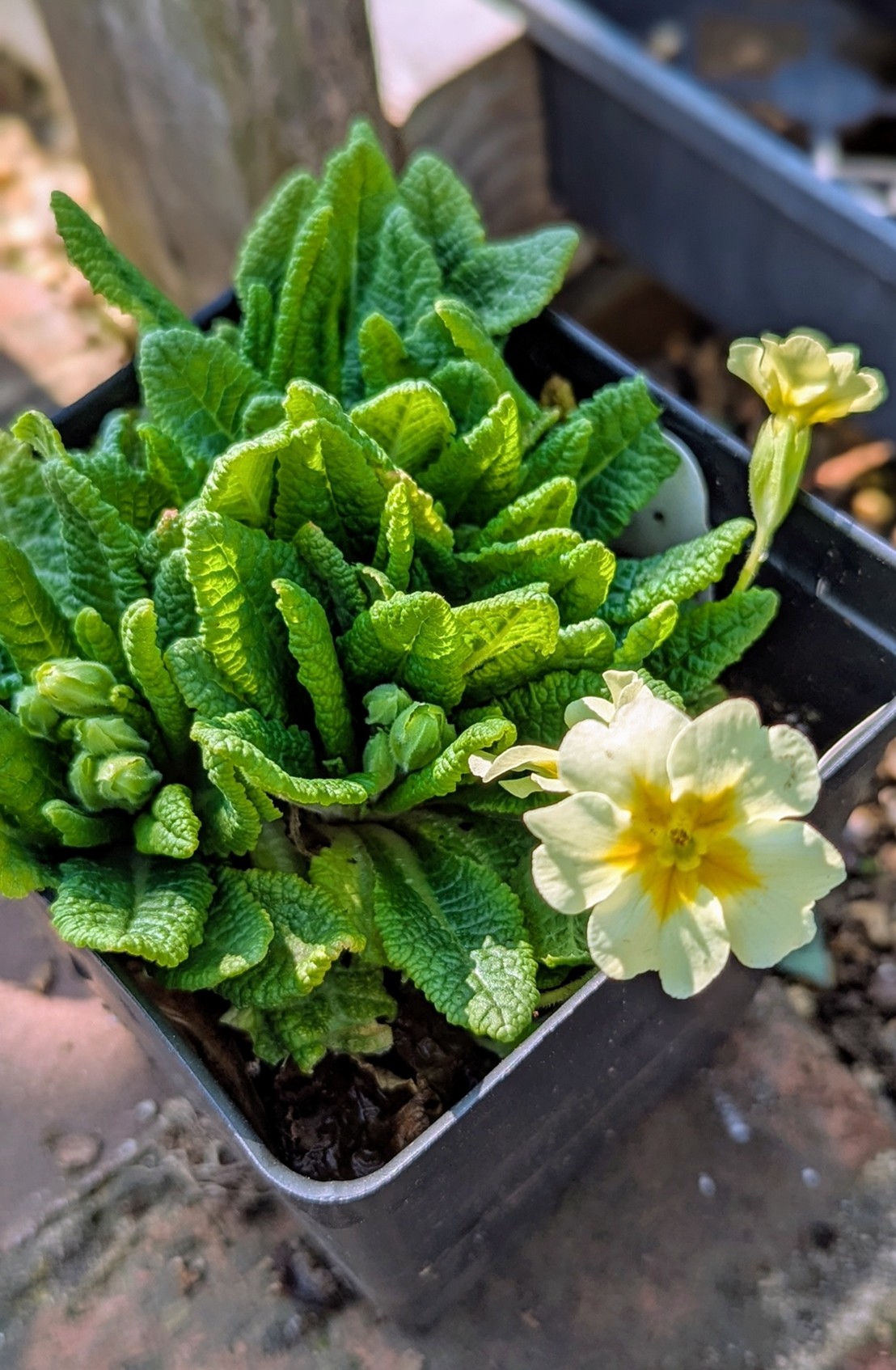
Primroses also known as English primroses are a staple in the container gardens of London in early spring. They come in a variety of colors from white to bright pink and yellow. Primroses are a low growing plant with deep green foliage and delicate blooms. They are some of the first to awaken each spring pushing up their foliage as early as February, followed by the flowers. By early May, the primroses are done, though the foliage remains. Like the hellebore, primroses can be easily divided in the fall.

Some gardeners are looking to fill a bigger space with early color. The Carolina Jasmine vine grows well when supported by a fence or trellis but can be allowed to roam free to fill a hillside or blank patch. The bright yellow blossoms are absolute showstoppers, particularly when our gardens are still in a dormant phase. This vine is hardy and tolerates our hot and sometimes dry Maryland summers. It holds on to some of its leaves so maintains some green all year. Grab one at this year’s plant sale and in a few years’ time you will have a robust plant like the one pictured.
Contributed by Julia Sauter, garden volunteer