
Home / Visit / Properties / William Paca House and Garden
IMMERSE YOURSELF IN HISTORY at the William Paca House and Garden.
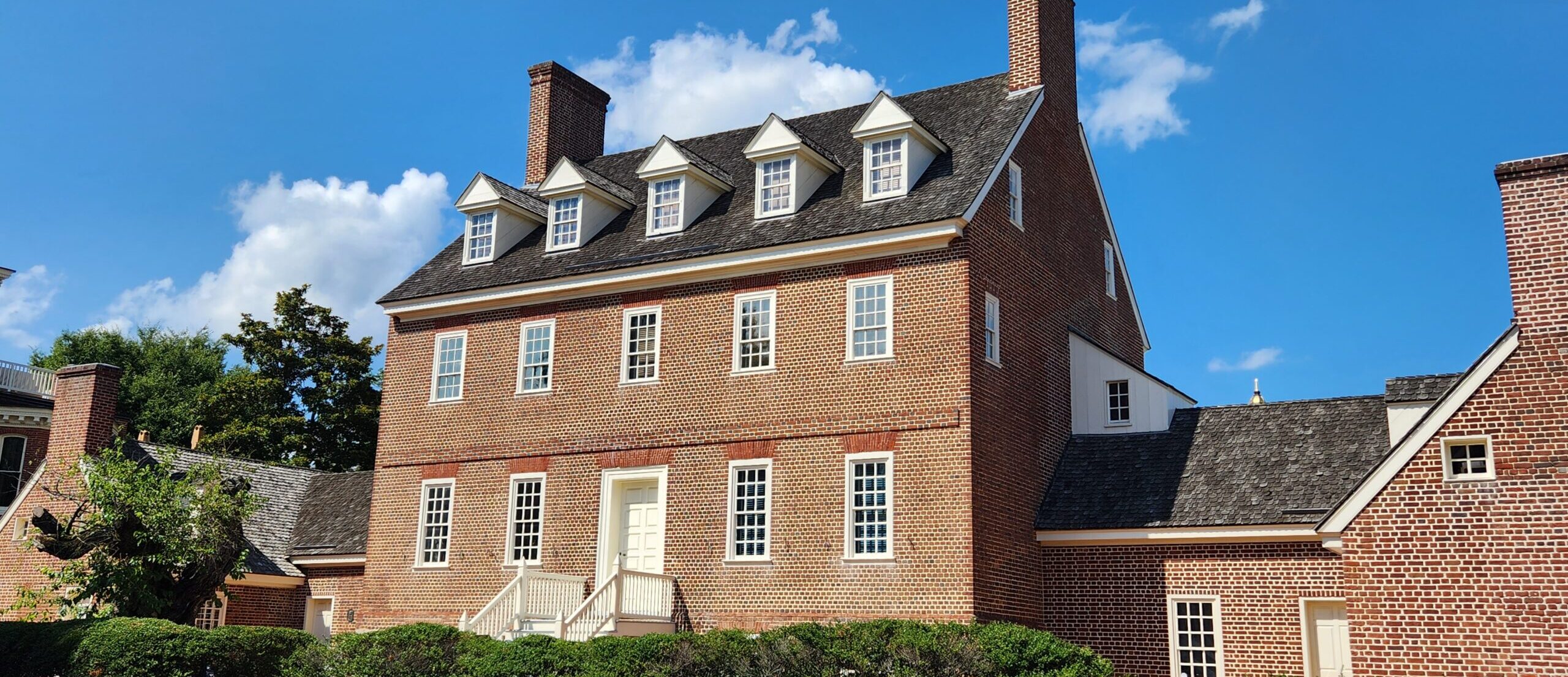
The William Paca House is a five-part Georgian mansion built in the 1760s for William Paca, one of Maryland’s four Signers of the Declaration of Independence and the state’s third governor.
In 1965, Historic Annapolis began a full restoration of the William Paca House and Garden. Today, it stands as one of the finest examples of colonial architecture in the country and is recognized as a National Historic Landmark.
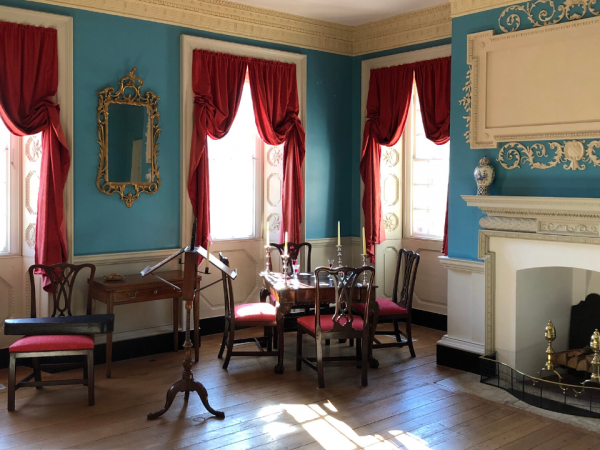
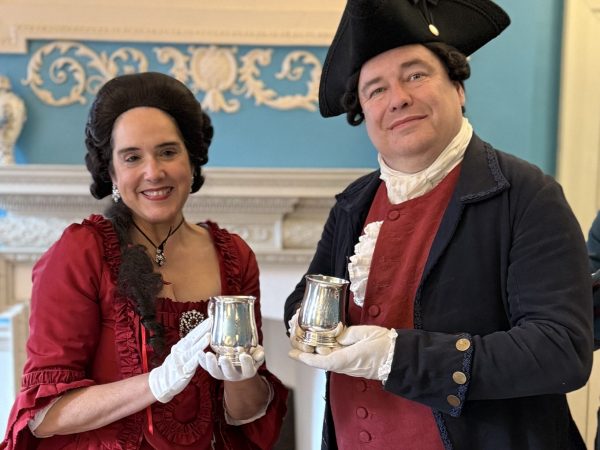
Guided tours of the house, which feature period furnishings and paintings, reveal the inner workings of an upper-class household during the Revolutionary period in Annapolis.
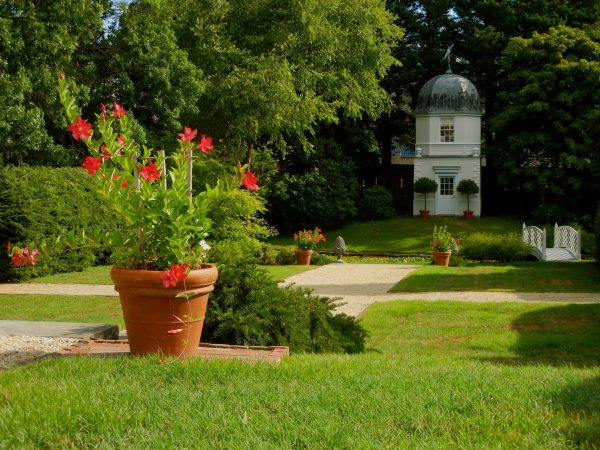
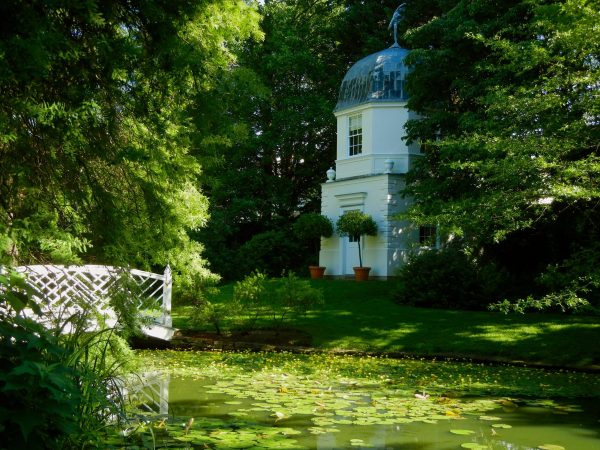
The William Paca Garden is a picturesque, two-acre retreat from the bustle of the city. Restored to its original splendor using details drawn from historic artwork and archaeological excavations, visitors can explore the terraced landscape’s formal parterres, naturalistic wilderness, and practical kitchen garden and view a unique collection of native and heirloom plants. The charming Summerhouse serves as the garden’s focal point, beckoning visitors to cross a latticework bridge over a fish-shaped pond. Throughout the year, the William Paca Garden provides a stunning backdrop for weddings, receptions, and other memorable celebrations.
Location
186 Prince George Street
Annapolis, MD 21401
410.990.4543
Hours
Winter Hours (January – March 18):
CLOSED
Summer Hours (March 19 – September 7):
Sunday – Thursday: 10 am – 5 pm
Friday & Saturday: 10 am – 3 pm
Fall Hours (September 8 – October 31):
Sunday – Thursday: 10 am – 4 pm
Friday & Saturday: 10 am – 3 pm
Holiday Hours (November – December):
Friday – Monday: 10 am – 4 pm
Closed Tuesday through Thursday
Open hours and guided tour schedules are subject to change due to weather, group tours, and special events.
Pets are not permitted at the Paca House & Garden, with the exception of trained service animals.
ADMISSION FEES
Guided House Tour
Guided tours of the House are offered every hour, on the half hour; the first tour is at 10:30 am and the last tour is offered 90 minutes prior to closing.
Includes admission to the Paca Garden.
Guided House Tour Admission Fees:
General Admission – $12
Child (3-17) – $7
Historic Annapolis Members – Free
Children under 3 – Free
Museums for All (SNAP/WIC) – Free
Blue Star – Free through September 7 (currently serving United States military and up to five family members with CAC, DD Form 1173 or 1173-1 ID card)
Self-Guided Garden Entry
You can explore the Paca Garden through a self-guided experience. Maps are available at the reception desk.
Last entry is 30 minutes prior to closing.
Self-Guided Garden Entry Admission Fees:
General Admission – $5
Child (3-17) – $5
Historic Annapolis Members – Free
Children under 3 – Free
Museums for All (SNAP/WIC) – Free
Blue Star – Free through September 7 (currently serving United States military and up to five family members with CAC, DD Form 1173 or 1173-1 ID card)
Upcoming Special Hours:
Wednesday, September 23: CLOSED
Thursday, September 24: CLOSED
Friday, September 25: 12 pm – 3 pm
Saturday, October 10: 10 am – 2:30 pm





Private Events In The Garden
upcoming events AT THE WILLIAM PACA HOUSE & GARDEN


PICTURE YOURSELF AT the William Paca House and Garden






History of the William Paca House & Garden
William Paca was a patriot leader from Maryland who signed the Declaration of Independence in 1776 and served as the State of Maryland’s third Governor.
In 1763, Paca married the wealthy and well-connected Mary Chew and began construction of a five-part brick house and terraced pleasure garden on two acres of land in Annapolis.
In addition to the Paca family, 6-10 people were enslaved at this site to perform domestic duties and gardening tasks. They included three women named Affey, Poll, and Sarah, two girls named Bett and Sall, and a man named Denby.
After William Paca sold the house in 1780, it continued as a single-family home until 1801, then served as a rental property for much of the 1800’s.
In 1901, William Larned acquired the house and grounds for a new hotel known as Carvel Hall. The Paca House functioned as the front lobby and small formal parlor for the hotel with a large addition attached to the back of the colonial house and extending over most of the garden. The hotel grew to offer 200 guest rooms and became the standard for gracious Southern hospitality in Annapolis. One African American staff member, Marcellus Hall, came to personify the hotel’s famed hospitality for generations of guests. He started working as a bellboy in 1913 and retired as Superintendent of Services when Carvel Hall closed in 1965.
Concerned that developers might tear down the home of a Signer of the Declaration of Independence, Historic Annapolis and the State of Maryland bought the Paca House and the rest of the Carvel Hall site in 1965. Over the next decade, a team of experts restored the William Paca House and Garden to their original appearances. The site was recognized as a National Historic Landmark in 1971.
About the Paca Garden Restoration
The William Paca Garden is an oasis of natural beauty in the bustling center of Annapolis’s Historic District. Although many colonial Annapolitans had gardens, only Paca’s has been returned to its original splendor and opened to the public. Intrigued by garden details in the background of Charles Willson Peale’s 1772 portrait of Paca, researchers were able to reconstruct the site from a series of archeological digs that turned up evidence of the garden’s former glory.
The brick walls enclose a series of terraces characteristic of colonial gardens in the Chesapeake region. The uppermost terrace serves as a platform for entertaining and viewing the garden. The next two levels are laid out in parterres, geometric designs that demonstrate human control over nature. The Rose Parterre is filled with heirloom varieties, while the Flower Parterre provides three seasons of colorful bloom. The Holly and Boxwood Parterres provide year-round structure with their carefully shaped evergreen plants.
The Summerhouse, reconstructed from the Paca portrait, serves as a focal point in the garden. On its upper floor the Paca family could view the garden, entertain guests, and catch cool summer breezes. The Chinese style latticework bridge provides a path over the pond to this inviting garden retreat.
The Summerhouse sits in the Wilderness, which reflects the picturesque style of gardening that was fashionable in England after 1740. Serpentine pathways meander between beds of mixed plantings. The emphasis today is on native plants of North America that had been brought into cultivation by Paca’s time.
Paca conceived water features to contain and channel the natural runoff across his property. A small brick canal once again carries water away. A natural spring, still active after several centuries and once again sheltered by a springhouse, feeds the pond. In Paca’s day, the spring water also supplied a bath house in the opposite corner of the garden.
Plants of the 18th century are known from books and letters. Roses, perennials and annuals in the parterres reflect what would have been available in the colonial period. The Kitchen Garden provides fresh delicacies such as salad greens, peas and melons. In the fruit gardenm, heirloom varieties of apples, pears, plums, cherries and figs are carefully trained into espaliers and cordons to take advantage of limited space in an urban garden.
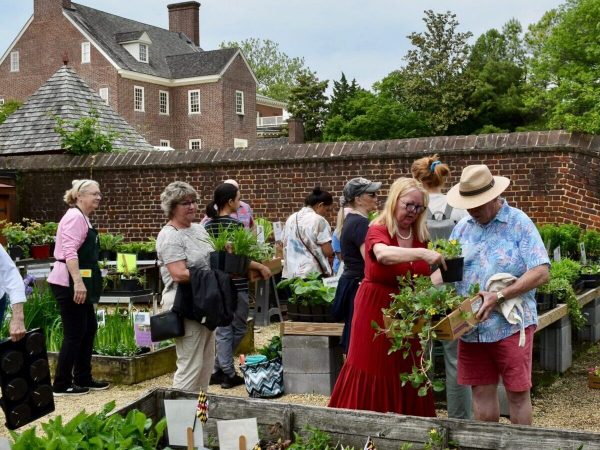
Once covered by a 200-room hotel, the Paca Garden is now owned by the State of Maryland. Historic Annapolis oversaw its restoration in the 1970s and continues to manage it. Today, the garden is again host to visitors as Historic Annapolis celebrates holidays, weddings and special events. Children and adults enjoy educational programming. Many gardeners make a ritual of attending the Paca Garden Plant Sale on Mother’s Day weekend every year.